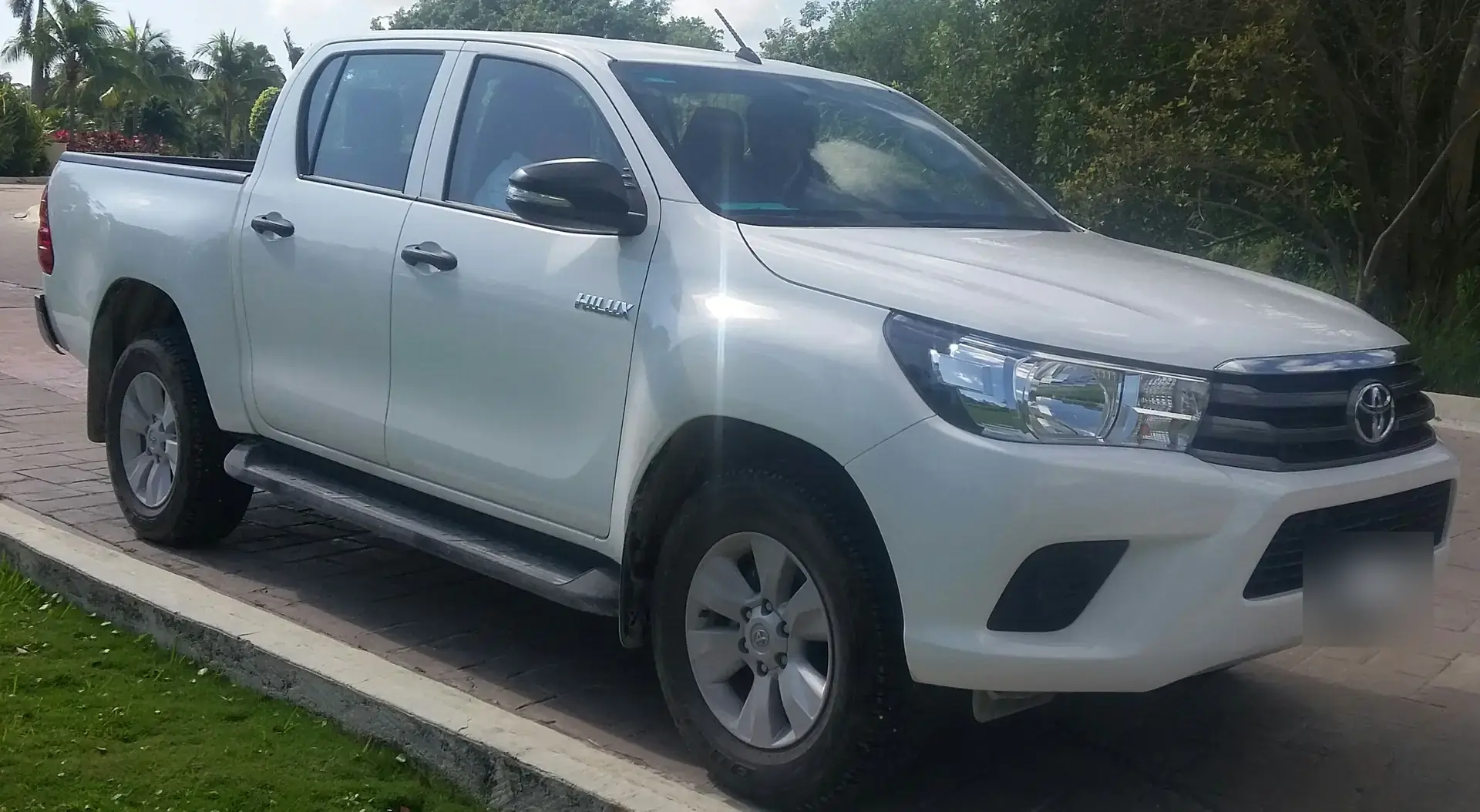
Before every trip, walk round the vehicle and check the tyres, brakes, lights, mirrors, wipers, fluid levels and seatbelts, and make sure your licence, insurance and any inspection certificate are valid. NTSA asks PSV, school and commercial drivers to confirm these before they set off, and the same check keeps any private car safe.
What NTSA asks of drivers
The National Transport and Safety Authority (NTSA) regularly reminds PSV, school transport and commercial drivers to confirm, before each trip, that the brakes, tyres, lights and mirrors work, that the speed governor is fitted and working, and that seatbelts are in place. Drivers and conductors must also hold valid licences and PSV badges, and must never drive under the influence of alcohol or other substances.
There is no single official pre-trip form for private cars, but the same points make sense for every driver. Rules change, so check the latest notices on the NTSA website before a long trip or if you drive for a living.
Walk round the vehicle (5 minutes)
- Tyres: look for cuts, bulges and worn tread, and check the pressure, including the spare.
- Lights: headlights, brake lights, indicators, hazard lights and reverse lights all working.
- Glass and mirrors: windscreen not cracked in your line of sight, mirrors clean and adjusted.
- Wipers and washer: blades clear the glass and the washer bottle is full.
- Underneath: no fresh drips of oil, coolant or brake fluid where the car was parked.
- Load: luggage or cargo secured and within the vehicle’s limit.
Under the bonnet (3 minutes)
- Engine oil between the marks on the dipstick, checked with the engine off.
- Coolant at the right level in the expansion tank. Never open a hot radiator cap.
- Brake fluid at the right level. A sudden drop can mean a leak.
- Battery terminals tight and free of corrosion.
- No loose, cracked or squealing belts when the engine starts.
From the driver’s seat (2 minutes)
- Every warning light comes on with the ignition, then goes off once the engine runs.
- Brakes feel firm, and the handbrake holds the car on a slope.
- Horn, seatbelts and door locks all work.
- Steering moves freely without knocks or a pull to one side.
- Fuel is enough to reach the next station on your route.
Safety kit to carry
- Two reflective warning triangles, to place behind and in front of a broken-down vehicle.
- A working fire extinguisher, which PSVs and commercial vehicles are expected to carry.
- A first aid kit, a spare wheel, a jack and a wheel spanner.
- A reflective jacket and a torch for night breakdowns.
Documents to have with you
- A valid driving licence for the class of vehicle you drive.
- Valid insurance, shown on the windscreen sticker or the digital certificate.
- For PSVs, school buses and commercial vehicles, a current NTSA inspection certificate and, where required, a PSV badge and operator licence.
- The vehicle’s logbook details, if you are stopped and asked who owns it.
Is the driver fit to drive?
The check is not only about the vehicle. Do not set off tired, after alcohol or on medicine that makes you drowsy. On long trips, plan a break about every two hours.
Pre-trip check and NTSA inspection are different
The pre-trip check is what the driver does before each journey. NTSA motor vehicle inspection is the formal yearly test that PSVs, school buses and commercial vehicles must pass at an NTSA inspection centre, booked on the NTSA portal through eCitizen. Our NTSA inspection guide explains what is checked and how to pass.
Common questions
- What is an NTSA pre-trip safety check?
- It is a quick check the driver does before each trip: tyres, brakes, lights, mirrors, wipers, fluid levels, seatbelts and documents. NTSA asks PSV, school and commercial drivers to do it, and it is good practice for every driver.
- How long does a pre-trip check take?
- About ten minutes once you are used to it: five walking round the vehicle, three under the bonnet and two from the driver’s seat.
- Do private cars need NTSA inspection?
- Commercial vehicles, PSVs and school buses must be inspected every year. Rules adopted in 2026 also cover private cars more than four years old, but NTSA postponed enforcing them for private cars. Check NTSA’s latest notice for your car.
- What should I do if something fails the check?
- Do not drive until it is fixed. A worn tyre, weak brakes or a broken light can cause an accident and will fail a roadside check.
Read next: NTSA vehicle inspection: what is checked · Vehicle inspection checklist for buyers · Car running costs in Kenya
This guide is general road safety information, not legal advice. Traffic rules and NTSA requirements change, so confirm the current ones with NTSA.